Explore our collaborative methodology for studio interviews, from pre-production planning to post-interview editing and feedback integration.
How Collaboration Shapes Every Studio Interview
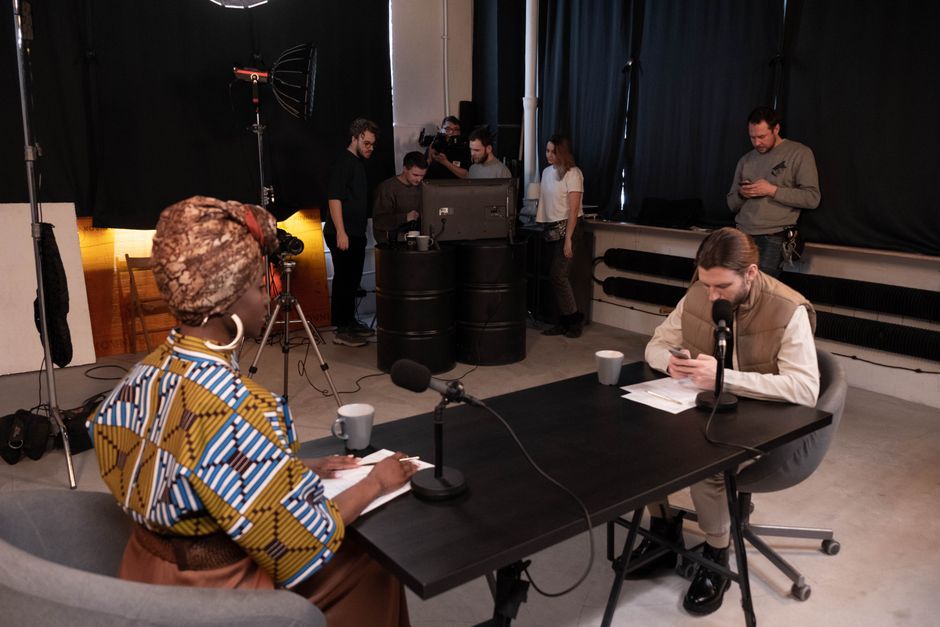
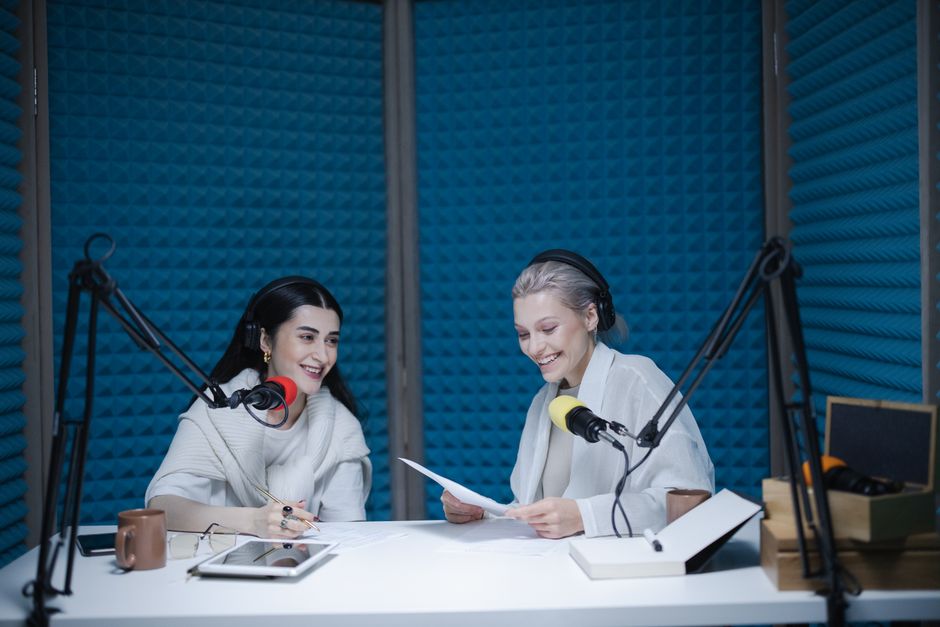
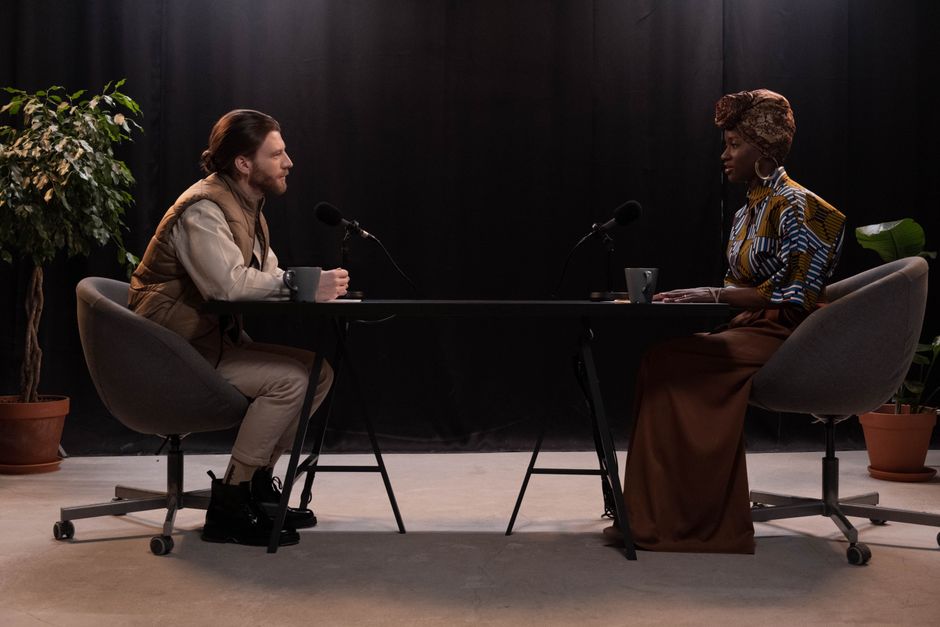
At Studio Interview, interviews are developed through a collaborative methodology. The process begins in pre-production, where producers, hosts, and researchers jointly plan open-ended questions and aligned discussion topics. During filming, these roles work with the guest to guide the conversation, a practice rooted in earlier groundwork. After the interviews are conducted, editors and hosts conduct post-interview reviews, integrating observed footage into structured revisions. In later reviews, contributors offer feedback that directly informs the editing process, ensuring every stage remains visible and participant agency is maintained. This structured sequence supports shared responsibility. Three core contexts – planning, filming, and post-interview debriefs – define the framework. Findings recorded during reviews detail timely coordination to translate ongoing cooperation into documented materials explaining how every voice guides the final interview shape. That final shape hinges on reciprocal input during planned follow-ups, never meant to signal participation simply closing once tapes stop rolling.
Collaborative Interview Workflow
Pre-Production Planning
Define objectives, research guest background, and coordinate logistics with all stakeholders before recording.
Recording Setup
Configure studio equipment, test audio and video, and arrange the set for optimal capture.
Interview Conduct
Facilitate structured conversation, manage timing, and adapt questions based on guest responses during recording.
Post-Interview Editing
Review footage, edit for clarity and pacing, and incorporate feedback from collaborators for final revisions.
A Structured Framework for Collaborative Studio Interviews
Our methodology for studio interviews follows a structured progression. Pre-production planning sets the foundation by outlining topics and equipment needs. During recording, established roles and checkpoints support the process and coordination with the guest. In post-interview editing and feedback integration, perspectives from all collaborators are reviewed through a defined procedure. This interconnected approach aims to create a consistent framework for interview production, though outcomes depend on various factors unique to each project and do not guarantee specific results.
How Feedback Shapes Our Collaborative Process
Our collaborative methodology places feedback at the center of every studio interview workflow, especially during post-interview editing. After each session, we prepare a structured review where participants—guests, hosts and editors—share their observations on technical and editorial aspects. This input is documented and systematically applied to subsequent editing passes. As a result, the editing phase becomes iterative: each round of comments informs the next, often refining pacing, transitions and response clarity. This mechanism does not guarantee a specific result; rather, it establishes a transparent, repeatable method that remains adaptable to individual needs while staying aligned with the project's overall approach.
The Collaborative Method: A Structured Framework for Studio Interviews
Our collaborative methodology rests on a structured planning phase where interviewers and producers jointly define thematic priorities and align them with the intended format. This upfront coordination ensures that question design, guest preparation, and technical setups are mutually informed. Clear communication channels remain essential during recording—consistent cues and checkpoints help guests and crew navigate the conversation without disruption. After the session, editorial review focuses on assessing narrative flow and identifying segments that may require clarification or additional context. Feedback from participants is then gathered through structured debrief sessions and integrated into subsequent planning cycles. This approach treats every interview as both a standalone production and a learning opportunity, allowing insights from editing to inform future pre-production choices. We emphasize transparency about these stages, recognizing that outcomes depend on variables such as guest availability, topic complexity, and team experience.
We use cookies
We use cookies to ensure the proper functioning of the website, analyze traffic, and improve your experience. You can accept all cookies or reject them — the site will continue to operate. For more details, read our Cookie Policy.